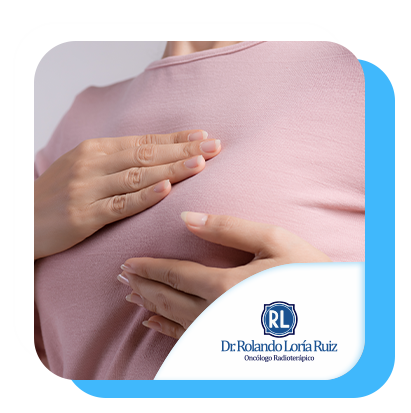
In Costa Rica, every woman who receives a breast cancer diagnosis begins a journey that blends science, compassion, and shared decision-making. Although each case is unique, most patients follow a treatment “path” that often includes surgery, systemic therapies, and, in many situations, Radiation Oncology. Understanding how these steps connect helps reduce uncertainty and offers a sense of guidance along the way.
Surgery is usually the first step, aiming to remove the tumor and assess the nearby lymph nodes. Some patients undergo breast-conserving procedures, while others require a mastectomy—choices made according to the extent of the disease and the tumor’s biological features. After surgery, the medical team evaluates whether the patient may benefit from chemotherapy, hormonal therapy, or targeted agents, all designed to reduce the likelihood of future recurrence.
Radiotherapy is frequently the final component. In Radiation Oncology, its goal is to eliminate any microscopic cancer cells that may remain in the breast, chest wall, or regional lymph nodes. In most cases, this step is crucial for lowering the chance of local recurrence and improving long-term outcomes. Treatment planning is highly individualized, adapting to each woman’s anatomy and clinical history.
Recognizing this path allows patients to move through the process with greater clarity and confidence. Every recommendation is grounded in up-to-date scientific evidence and delivered with a commitment to safe, compassionate, high-quality care for women in Costa Rica.

Help us save lives