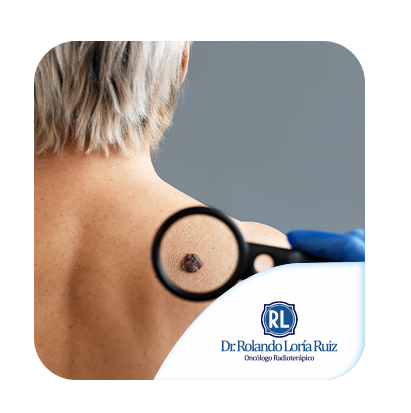
Melanoma is one of the most aggressive forms of skin cancer. Although it accounts for a smaller proportion of all skin cancers, it is responsible for a large percentage of skin cancer–related deaths because of its ability to spread rapidly to other organs, including the lungs, liver, bones, and brain. For many years, once melanoma reached advanced stages, treatment options were limited and the outlook for many patients was discouraging.
Over the past decade, however, immunotherapy has profoundly transformed the treatment of this disease. Today, we understand that the immune system has an extraordinary ability to identify and destroy abnormal cells. The challenge is that melanoma cells can develop mechanisms that allow them to “hide” from the body’s natural defenses, escaping detection and allowing the disease to progress.
Immunotherapy aims to reverse that process. Rather than attacking the tumor directly, these treatments help “release the brakes” on the immune system, allowing the body’s own defenses to once again recognize and fight cancer cells.
Medications such as nivolumab, pembrolizumab, and the combination of nivolumab plus ipilimumab have significantly changed the clinical landscape of advanced melanoma. Patients who, years ago, faced very limited expectations for survival may now experience long-lasting responses, sustained disease control, and even prolonged periods without disease progression—outcomes that once seemed unlikely.
One of the most important advances has occurred in patients whose melanoma has spread to the brain. Historically, brain metastases represented one of the most difficult situations to treat. Today, the combination of immunotherapy, specialized surgery, and modern radiation therapy techniques offers patients more effective and increasingly personalized treatment options.
Immunotherapy, however, does not work the same way for everyone. Some patients experience deep and durable responses, while others may require additional treatment strategies or therapies directed toward specific molecular alterations, such as BRAF mutations, which are found in a substantial proportion of melanoma cases.
It is also important to recognize that stimulating the immune system can lead to side effects. Some patients may develop inflammation affecting organs such as the skin, intestines, lungs, liver, or hormone-producing glands. For this reason, close medical monitoring and early recognition of symptoms remain essential components of care.
Another important change in modern medicine has been the growing integration of multidisciplinary care teams. Dermatologists, medical oncologists, radiation oncologists, surgical oncologists, neurosurgeons, radiologists, and supportive care specialists increasingly work together to develop individualized treatment plans tailored to each patient’s specific needs.
Scientific research continues to move forward at an extraordinary pace. Every year, new discoveries help physicians better understand how to enhance the effects of immunotherapy, combine it more effectively with other treatments, and identify which patients are most likely to benefit from these advances.
Melanoma remains a major medical challenge. But today, there is a different reality than there was only a few years ago: modern medicine has demonstrated that even against an aggressive disease, the body’s own immune system can become a powerful tool capable of changing the course of illness.
Immunotherapy is not a universal solution, but it has opened a new chapter in melanoma treatment—one in which science has learned to transform the body’s natural defenses into one of the most powerful allies in the fight against cancer.

Help us save lives


 Schedule your