
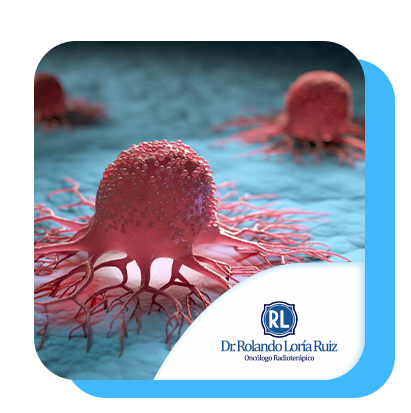
One of the most difficult questions many cancer survivors ask is, “If my tumor was removed years ago, how can it come back?” For decades, the answer seemed straightforward: a small number of cancer cells survived treatment and continued growing so slowly that they remained undetectable until they eventually formed a new tumor. Today, research suggests a far more fascinating possibility. Some cancer cells may remain completely inactive for years—or even decades—before suddenly beginning to grow again. This phenomenon is known as tumor dormancy.
As a tumor develops, some cancer cells can detach and travel through the bloodstream to distant organs such as the bone, lungs, liver, or brain. While most of these cells die during their journey, a small number successfully settle in new tissues. Surprisingly, not all of them begin to multiply immediately. Instead, some enter a state of deep cellular dormancy in which they remain alive but divide very little, if at all. During this period, they may escape detection by both the immune system and conventional imaging studies.
One of the most intriguing discoveries described in the review involves the brain. Researchers found that disseminated tumor cells can reside alongside the endfeet of astrocytes, specialized structures that surround the brain’s small blood vessels. In this unique environment, astrocytes produce a protein called laminin-211, which binds to a receptor known as dystroglycan (DAG1) on the surface of tumor cells. This interaction appears to send a biological signal that keeps these cells in a dormant state, preventing them from developing into active brain metastases.
This finding has changed the way scientists think about cancer recurrence. The question is no longer simply why cancer returns, but rather what causes a dormant cell to “wake up” after remaining inactive for many years. Researchers believe that changes in the surrounding tissue, alterations in the immune system, or disruptions in the biological signals that maintain dormancy may eventually trigger these cells to resume growth. However, the precise mechanisms remain under active investigation.
Understanding tumor dormancy has the potential to transform cancer treatment in the future. If scientists can identify the signals that keep these cells asleep, they may eventually learn how to prevent them from awakening—or even eliminate them before they become clinically detectable metastases. Rather than focusing only on visible tumors, future therapies may also target these hidden cells that quietly persist for years.
It is important to emphasize that these discoveries do not mean every cancer survivor has dormant tumor cells or that every recurrence is caused by dormancy. Tumor dormancy represents one of the biological mechanisms proposed to explain certain cases of late recurrence, and much remains to be learned before these findings can be translated into routine clinical practice.
The concept of tumor dormancy reminds us that cancer is far more complex than once believed. It does not always disappear completely, nor does it always grow continuously. Sometimes, it simply waits. Understanding why some cancer cells remain dormant—and what eventually causes them to awaken—may become one of the most important steps toward preventing future recurrences and developing more effective, personalized cancer therapies.

Help us save lives


 Schedule your